

“Choose a good reputation over great riches; being held in high esteem is better than silver or gold.” (Proverbs 22:1, NLT)
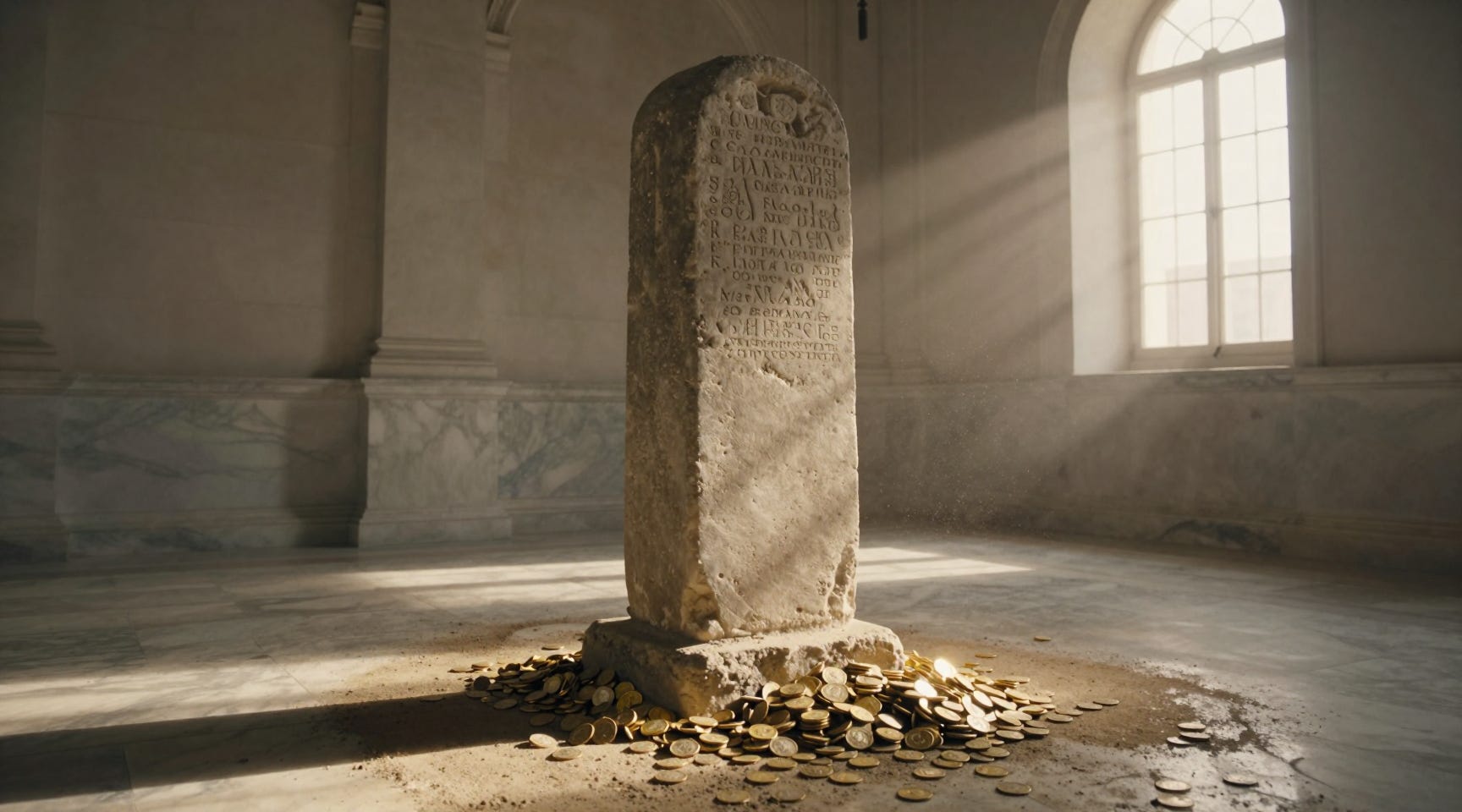
A good reputation. The Hebrew text behind that English phrase is sharper than the translation reveals. The words Solomon uses are shem tov, literally “a good name.” In the ancient world, your name was not a label your parents picked. It was a record you accumulated. Your name was your reputation, your credit history, your standing in the community, all rolled into the sound people made when they said you. When Solomon writes that a good name is more desirable than great riches, he is not making a sentimental observation. He is rendering a market verdict on what actually has value in human life.
Yesterday Peter taught us to throw our anxiety onto the only One whose power can hold the weight. That study closed Week 4 and the long walk through the furnace. Today opens Week 5. The fire shapes the leader. The legacy is what the shaped leader produces. After four weeks of studying what God says to the person in charge, the final two studies ask the question most leaders avoid until it is too late: what will remain when you are gone?
This month we are studying what Scripture says directly to the person in charge. Proverbs 22:1 sits inside a collection of “the proverbs of Solomon,” wisdom literature originally written for kings, advisors, judges, and the leadership class of ancient Israel. The audience is not a general congregation. It is people who manage outcomes, weigh decisions, and exercise authority over others. Solomon was the wealthiest king Israel ever produced. He had ships bringing gold from Ophir, ivory and exotic animals from distant ports, and a treasury that left foreign queens speechless (1 Kings 10). When this king tells you that a good name beats silver and gold, that is not a beggar romanticizing what he cannot have. That is the richest man in the ancient world telling you which ledger actually matters.
Solomon’s claim is brutally specific: a good reputation is to be chosen over great riches. The verb is active, not passive. You do not stumble into a good name. You choose it, decision by decision, year after year, in the moments no one is watching and no spreadsheet records. The leadership demand is unsubtle. Every decision you make is a transaction in the reputation economy. You are spending or you are building. Solomon is asking the leader to weigh every shortcut, every small dishonesty, every selfish call, against what it costs your name. Most leaders never run that math.
Here is where the verse confronts how leaders actually operate. We measure ourselves by what we collect: revenue numbers, headcount, title progression, board seats, the metrics that look good on a profile. Solomon flips that scoreboard. The question is not what you have accumulated. The question is what people say about your leadership when you leave the room. The building. The company. The harder version of the question is what they say five years after you are gone, when there is no political reason to flatter you and no professional consequence for honesty. That is your real performance review. Most leaders avoid asking it because they suspect they would not like the answer.
The reputation Solomon describes is not a public relations product. It is the residue of a thousand private moments. Did you keep the confidence of the team member who came to you in confusion? Did you give credit when you could have absorbed it? Did you tell the hard truth in the room or only after you left it? Did you defend the absent or join the conversation that tore them down? The answers to those questions form the slow accumulation that becomes your name. None of those moments felt important when they happened. All of them are everything. Solomon does not say a good name is nicer than great riches. He says it is more valuable. The wealthiest man on earth set the rate. Choose accordingly.
Scripture treats this principle as theological, not just practical. Ecclesiastes 7:1 puts it this way: “A good reputation is more valuable than costly perfume.” The image is striking. Costly perfume in the ancient Near East was poured at funerals. The point the Teacher makes is that your reputation is the perfume that fills the room when you are gone. People will speak of you at your retirement, your departure, your funeral. The fragrance will be sweet or bitter, and you will not be present to argue with the assessment. Acts 6:3 picks up the same thread when the apostles set the qualifications for the first deacons: select men who are “well respected and are full of the Spirit and wisdom.” A good name is not a private virtue. It is a public credential the early church recognized as load-bearing for any office of responsibility.
Most leaders will protest that they cannot control what people say about them. That is half-true and dangerously misleading. You cannot control individual opinions, especially from people determined to misread you. You can absolutely control the pattern. A pattern of integrity over years drowns out individual misreadings. A pattern of self-protection over years confirms them. Solomon is not asking you to manage perceptions. He is asking you to live in such a way that the perceptions take care of themselves. The leader who chases reputation directly never builds one worth having. The leader who chases faithful behavior, decision by decision, builds a name that outlasts the work.
The practice for this week is specific and uncomfortable. Identify three people who worked under your leadership at some point in the last decade and are no longer on your team. Former direct reports, former colleagues, former peers who watched you closely and now have no professional reason to be polite. Ask yourself, honestly, what they would say about your leadership if a trusted journalist asked them off the record. Not what you hope they would say. What they would actually say. If the answer makes you uncomfortable, that is not a problem with their perception. It is a diagnosis of your leadership. Then choose one specific behavior pattern that contributed to the answer, and identify the single decision this week that would begin to bend the pattern in the other direction. Reputation is not built by big announcements. It is bent by small, repeated decisions over time.
This week we are asking the question every leader avoids: what will remain when you are gone? If this study has provoked the kind of reflection that demands a more structured response, the paid study guide releasing at month’s end is built for it. Thirty verses, organized by weekly theme. A small group discussion guide for leaders studying together. A personal study journal with guided questions for each verse. A one-page reference card to keep these passages in front of you when the pressure rises. The free articles introduced the verses. The paid guide builds the study around them, designed for leaders who want to stop reading Scripture for inspiration and start governing their leadership by it.
Tomorrow we close the month with Matthew 25:21 and the only performance review that ultimately matters: “Well done, good and faithful servant.” Solomon tells you the world’s verdict outlasts the world’s wealth. Jesus tells you whose verdict will outlast both. Today’s question is what people say when you leave the room. Tomorrow’s question is what God says when you leave the field.
Leadership Challenge: If three people you led a decade ago were asked off the record what your leadership was actually like, would the pattern of their answer match the pattern you are building now? What is the single decision this week that would start to bend the pattern in the right direction?
I write about leadership at the intersection of timeless principles and modern workplaces. Follow for weekly insights on building teams that actually work. For more articles like this consider subscribing or sharing.