

The Emperor Nero was thirty years old when Paul wrote this letter. He had been on the throne for roughly a decade. Within a few years of these words being penned, Nero would blame Christians for the great fire of Rome, dip them in tar, and set them on fire to light his gardens at night. Paul knew who Nero was. He knew what the imperial machinery was capable of, because he had been beaten with Roman rods three times, shipwrecked, imprisoned, and now sat in a Roman dungeon writing what would be his final letters. The first thing Paul tells Timothy about corporate worship is not about music. It is not about sermon length. It is “pray for kings and all who are in authority.” Paul was not writing theoretical instructions for a friendly government. He was telling Timothy to pray for the empire that was about to kill him.
“I urge you, first of all, to pray for all people. Ask God to help them; intercede on their behalf, and give thanks for them. Pray this way for kings and all who are in authority so that we can live peaceful and quiet lives marked by godliness and dignity. This is good and pleases God our Savior, who wants everyone to be saved and to understand the truth” (1 Timothy 2:1-4, NLT).
Let that first phrase land: “first of all.” Paul is transitioning from personal charge to corporate instruction, and the first item on the agenda is not strategy or structure. It is intercession. Before the overseer qualifications that will occupy chapter three. Before the training in godliness that will drive chapter four. Before the warnings about money and false teaching. Paul opens the operational section of his letter with a call to pray for people in power, and he does it with four different words for prayer in two verses: urge, ask, intercede, give thanks. This is not a passing suggestion. It is the foundation on which everything else is built.
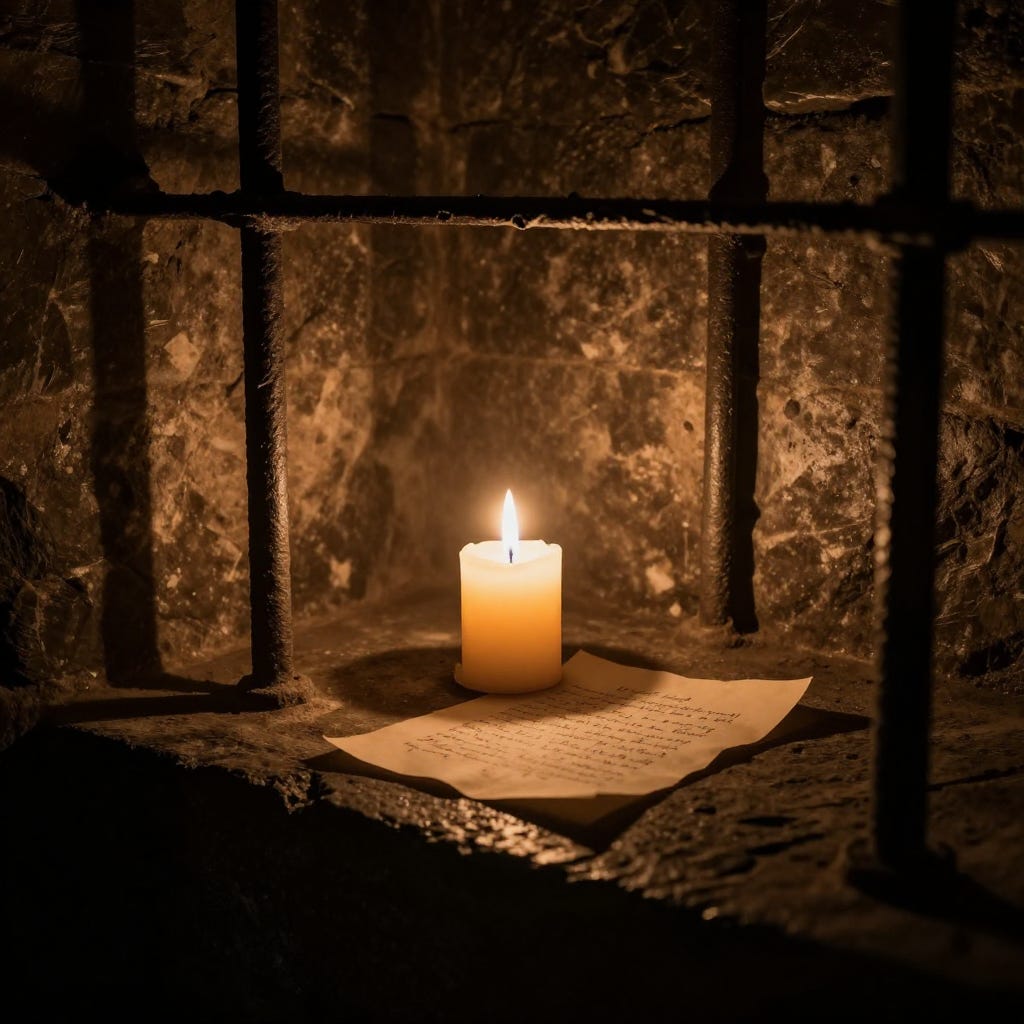
The context sharpens the urgency. Timothy is leading the church in Ephesus, a city where the imperial cult was woven into daily life. The Temple of Artemis dominated the skyline. Emperor worship was not a private religious preference. It was a civic obligation. Refusing to burn incense to the emperor’s image was not a theological statement. It was a political act that could cost you your livelihood, your community standing, and eventually your life. Paul is not telling Timothy to pray for a government that has been neutral toward the church. He is telling him to pray for the very authorities who could imprison him for praying in the first place.
This is the principle that reshapes how a leader thinks about power. Intercession is not a passive activity. It is an act of leadership. When Paul tells Timothy to pray for kings and authorities, he is not asking him to endorse their policies or pretend the persecution is not real. He is asking him to place them under the authority of the only throne that matters. Prayer for a leader is an acknowledgment that the leader answers to someone. The emperor sits on a throne, but Timothy kneels before the throne that established the emperor’s. Paul will say this explicitly in Romans 13:1: “Everyone must submit to governing authorities. For all authority comes from God, and those in positions of authority have been placed there by God” (NLT). Prayer is not capitulation. It is the recognition that all authority is delegated authority, and the delegation can be appealed.
I have sat in rooms where the conversation about leadership above me sounded nothing like intercession and everything like complaint. I have been the one complaining. The criticism was often accurate. The leader in question had real blind spots, real failures, real decisions that deserved to be questioned. What was missing was the recognition that my resentment was not changing anything and my prayerlessness was changing me. When you stop praying for someone in authority, your heart hardens toward them long before your words do. You start interpreting every decision through the lens of distrust. You stop looking for evidence of good intent. Paul knew this. He was not telling Timothy to pray for Nero because Nero deserved it. He was telling Timothy to pray for Nero because prayer reorients the one praying before it changes anything about the one being prayed for.
The application is uncomfortable because it is specific. Think of the leader above you right now who is hardest to respect. Not the one you disagree with on strategy. The one you genuinely believe is harming the organization, or the team, or both. You may be right about that. Paul was right about Nero. Now ask yourself honestly: when is the last time you prayed for them? Not complained about them to a trusted colleague. Not vented at the dinner table. Actually brought them before God and asked for their welfare. Jeremiah wrote to the exiles in Babylon, a people who had been conquered, displaced, and traumatized by a foreign empire, and told them this: “And work for the peace and prosperity of the city where I sent you into exile. Pray to the Lord for it, for its welfare will determine your welfare” (Jeremiah 29:7, NLT). The logic is the same. Your welfare is tied to the welfare of the community you are in, and the community is shaped by the leaders who govern it. Praying for them is not optional. It is strategic.
Let me make this concrete for the leader who does not feel like they are living under a Nero. Most of us are not. Most of us work for a boss who is not evil, just frustrating. A manager who micromanages. An executive who makes decisions without consulting the people those decisions affect. A board member who talks more than they listen. The temptation is to treat prayer as a spiritual bypass, a way of feeling holy about someone you are actually avoiding. Paul’s four words for prayer (urge, ask, intercede, give thanks) do not let you off the hook. “Give thanks” is the hardest one. You can ask God to change a leader. You can intercede for their wisdom. Giving thanks for them requires you to see something in them that is worth gratitude, and if you cannot find it, you may not be looking hard enough.
The second half of verse two gives us the purpose: “so that we can live peaceful and quiet lives marked by godliness and dignity.” Paul’s goal is not political revolution. It is not regime change. It is the conditions in which a community can flourish. The word he uses for “quiet” does not mean silent. It means undisturbed, free from the kind of chaos that makes ordinary life impossible. Paul wants Timothy’s church to be able to raise their children, do their work, and live out their faith without the constant disruption of persecution. That is not cowardice. It is wisdom. The church that is always fighting for survival is the church that has no energy left for mission. Praying for the authorities is one way God preserves space for his people to be his people.
This lands on Monday morning with a question most leaders have never asked themselves: what would change in your organization if you became the person who prays most consistently for the people you lead, the people who lead you, and the people who make your work harder than it needs to be? Not the person who complains most eloquently. Not the person who diagnoses most accurately. The person who prays most consistently. That is a leadership decision, not a spiritual discipline. It is a choice about where you direct the energy that could go toward resentment and instead direct it toward intercession. The energy is going somewhere. The question is whether it is making you bitter or making you faithful.
The connection forward is this. Tomorrow we examine the verses immediately following: Paul’s declaration that there is one God and one mediator between God and humanity, Christ Jesus. Paul pauses his operational instructions to deliver the theological center of everything he has been saying. Today we established the practice: pray for those in authority. Tomorrow we examine why that practice is grounded in the very nature of who God is and how he works. The Leadership Mentorship is not a management course with a few Bible verses sprinkled on top. It is Paul training Timothy to see every part of leadership, including who you pray for, as an act of worship.
Leadership Challenge: Who is the leader above you that you have stopped praying for? Not the one you respect and admire. The one you have given up on. Bring them before God by name this week, and include at least one specific thing you are genuinely grateful for about them.
I write about leadership at the intersection of timeless principles and modern workplaces. Follow for weekly insights on building teams that actually work. For more articles like this consider subscribing or sharing.